April 25, 2026
Exterior painting projects can significantly enhance the curb appeal and value of your property. However, several crucial factors must be considered to ensure a successful outcome. From choosing the right paint type to selecting an ideal color scheme, every step requires careful planning. Many homeowners consult exterior painting contractors during the planning stages to gain insight into materials, climate considerations, and application methods that contribute to a durable finish. Let's delve into three key considerations that will guide you to a beautiful and durable exterior finish.
1. Choosing the Right Paint Type
The Importance of Paint Quality
Paint quality is one of the most critical factors in determining the longevity and appearance of an exterior finish. High-quality paints often contain more pigments and binders, resulting in richer colors and greater durability. Investing in premium paint can reduce the frequency of repaints, which can be costly and time-consuming. Moreover, quality paint stands up better to environmental stressors such as UV rays, moisture, and temperature fluctuations. Many exterior painting contractors recommend premium coatings because they often perform better over time and contribute to a more polished final result. Ultimately, the initial investment in superior paint quality can save both time and money while ensuring a more professional-looking result.
Water-Based vs. Oil-Based Paints
The choice between water-based and oil-based paints depends on several factors, including surface material and desired finish. Water-based paints, also known as latex paints, are popular for their quick drying time, ease of application, and eco-friendly properties. They tend to be elastic, allowing for movement without cracking, which is ideal for areas with fluctuating temperatures. On the other hand, oil-based paints offer a smooth, durable finish, particularly suitable for surfaces requiring greater adhesion. While oil-based paints can be more challenging to clean up, their robustness makes them preferable for surfaces that endure heavy wear. Experienced exterior painting contractors often help property owners compare these options based on surface condition, maintenance goals, and climate exposure.
Weather Resistance and Paint Durability
Weather resistance is an essential characteristic when selecting paint for an exterior project, as exposure to harsh environmental conditions can degrade color and texture. Paints formulated for high durability are specifically designed to withstand extreme weather such as heavy rainfall, intense sunlight, and freezing temperatures. The selection of weather-resistant paint can prevent common issues such as blisters, surface chalking, and peeling. These specialized paints often incorporate advanced technology to shield against mildew and UV radiation. Opting for durable, weather-resistant paints ensures that your exterior will maintain its beauty and structural integrity over time.
Eco-Friendly Paint Options
The push towards sustainability has increased the availability and popularity of eco-friendly paints. These paints typically emit fewer volatile organic compounds (VOCs), which contribute to air pollution and respiratory issues. By choosing low-VOC or zero-VOC options, homeowners can reduce their environmental impact without compromising on quality. Eco-friendly paints are now available in a wide range of colors and finishes, allowing for a customized aesthetic choice. Additionally, many manufacturers offer paints with natural ingredients that are biodegradable, further enhancing their eco-friendly credentials. Some exterior painting contractors also help clients compare environmentally conscious products that align with long-term maintenance priorities.
2. Surface Preparation
Cleaning and Sanding Techniques
Before starting any painting project, thorough cleaning and sanding are crucial to ensure paint adhesion and longevity. Cleaning involves removing dirt, grease, and mildew that can prevent paint from adhering properly. Sanding smooths rough spots and helps old layers of paint blend with the new coat, providing an even texture. Adequately prepared surfaces help the paint to better penetrate wood fibers, minimizing future peeling and flaking. It is essential to use proper tools and techniques, such as power washing and handheld sanders, for efficient and effective surface preparation.
Repairing Damages and Cracks
Prior to painting, it is vital to address any damages and cracks in the exterior surfaces, as neglecting these can lead to further deterioration over time. Small cracks can often be filled with caulk, providing a seamless transition before painting. For more significant damages, repair techniques may involve patching compounds or replacing damaged sections entirely. Ignoring these issues can result in moisture ingress, which weakens the structural components and reduces the painted surface's lifespan. Proper repair not only beautifies the exterior but also protects against environmental factors that cause decay. Skilled exterior painting contractors frequently stress that proper repair work is what supports long-term paint performance.
Priming the Surface: When and Why
Priming is an essential step for enhancing paint adhesion, especially for surfaces that are porous, stained, or are being painted for the first time. Primer creates a uniform base by sealing off pores and providing a surface that paint can bond to effectively. Some primers are designed to resist deterioration from chemicals and weather, further extending the paint's durability. Applying primer before painting in vibrant or dark colors can also prevent the need for multiple coats, providing color richness and depth with fewer applications. Thus, priming is not only beneficial but often necessary for optimal results.
Dealing with Mold and Mildew
Mold and mildew present significant challenges for exterior painting projects due to their ability to grow rapidly under certain conditions. These fungi can cause health problems and deteriorate paint, leading to a blotchy and uneven finish. To prevent this, surfaces should be thoroughly treated with fungicidal washes or specialized cleaners before painting. Regular inspection and treatment of problem areas can prevent recurrent mold issues. Using paints with added mildewcide can also help inhibit growth, contributing to a longer-lasting and healthy finish. Many exterior painting contractors include inspections for moisture-related concerns as part of comprehensive preparation before paint is applied.
3. Choosing the Right Color Scheme
Factors to Consider in Color Selection
Selecting the ideal color scheme for your home's exterior can significantly influence its curb appeal and aesthetic integration. It's essential to consider the architectural style of the house, as each design may harmonize differently with specific hues. Additionally, the surrounding environment, such as natural landscapes and neighboring properties, can guide selection to promote cohesion. Another vital consideration is personal preference, yet care should be taken to maintain potential resale value through versatile color choices. According to Opendoor, it's commonly recommended by designers to use three colors or less on the exterior of a house for a balanced and appealing presentation. Many homeowners work with exterior painting contractors to test combinations that complement architectural details while supporting long-term visual appeal.
Current Trends in Exterior Paint Colors
Current trends in exterior paint colors often reflect broader stylistic shifts within interior design, embracing concepts like minimalism or returning to nature. Neutral shades such as grays, beiges, and muted earth tones remain popular for their versatility and timelessness. Additionally, earth-inspired hues, like sage greens or warm terracottas, reflect an ongoing appreciation for natural beauty in urban spaces. Accent colors providing contrast for trims and doors, often in dark blues or blacks, are commonly applied to add dimension and modernity. Being aware of these trends can support an appealing and contemporary aesthetic transformation of your home's exterior.
Using Color to Enhance Architectural Features
Strategic use of color can embellish or highlight the architectural features of a property, adding character and visual appeal. Lighter colors can bring attention to detailing or molding, thereby accentuating craftsmanship or stylistic features. Bold hues can be used on shutters or doors to punctuate signature aspects, capturing passerby interest dramatically. Striking a balance between core color and accent tones highlights edges and constructs dimensionality, breathing new life to facades. Use color cleverly not only to refresh the home's appearance but to admire the nuanced architectural attributes therein.
Testing Colors With Samples
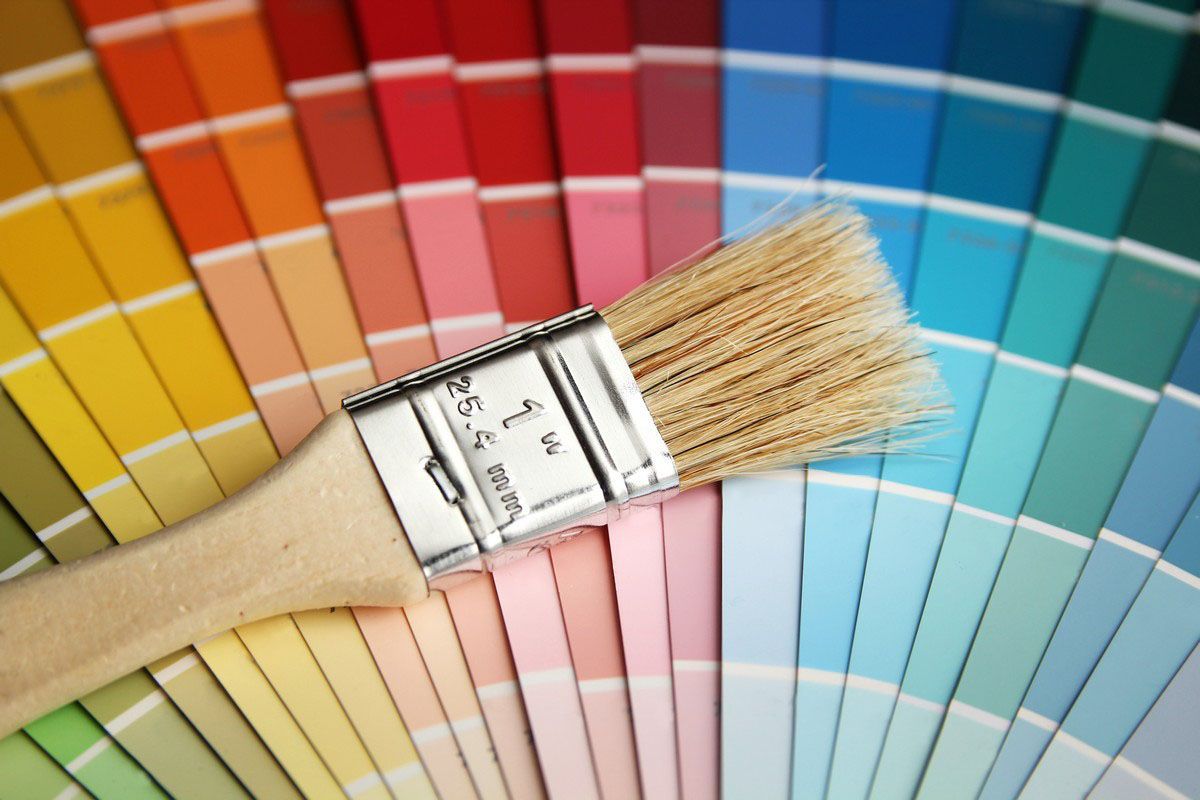
Before committing to a color scheme for your exterior painting project, utilizing paint samples is an invaluable step. Samples allow homeowners to observe how colors interact with existing materials, local lighting conditions, and seasonal changes. Applying samples directly to the exterior deters costly errors, unveiling genuine shades and textures in diverse weather and times of the day. It's prudent to test varying combinations across multiple sections to derive satisfactory and cohesive color choices.
Ultimately, a well-executed exterior paint project enhances curb appeal while protecting the structure beneath the surface. Whether your goal is preserving architectural character, modernizing your home's appearance, or preparing a property for resale, thoughtful planning makes a meaningful difference. With the right approach, exterior painting can provide both visual impact and lasting performance for years to come. Reach out to Canby Painting LLC today for help with all your exterior painting needs.